Medical Repatriation Mission Carried out from the Philippines to the United States
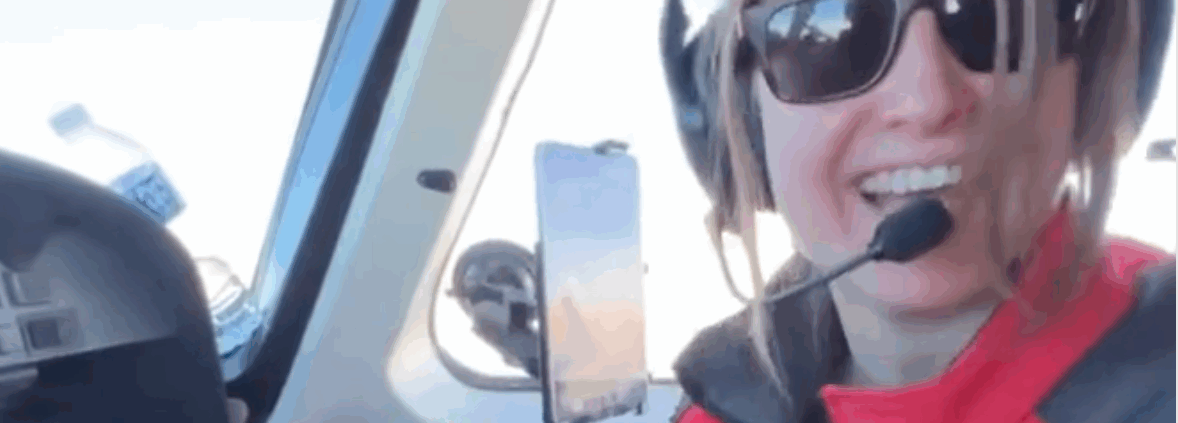
We are pleased to share this informative video featuring Dr. Alexia Hartman, a physician and valued member of the Aeromedical and Marine TRI team. In this clip, Dr. Hartman walks us through the step-by-step process of a medical repatriation mission carried out from the Philippines to the United States.
She explains the key stages of the operation offering insight into the complexity and precision such missions require.
🌍 At Aeromedical, we are proud to have a medical team with extensive experience in critical care and aeromedical transport. Every mission is handled with technical excellence, rapid response, and deep human empathy.
🔹 Our commitment to professionalism, safety, and high-quality medical care is what allows us to operate successfully even in the most challenging international contexts.
How Is a Critically Patient Transported From One Country to Another?
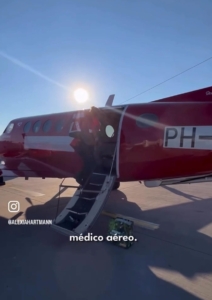
¿Alguna vez te has preguntado cómo se traslada de forma segura a un paciente en estado crítico de un país a otro? En este Día Internacional del Trabajador, queremos tomarnos un momento para destacar uno de los servicios más complejos y esenciales en la atención médica global: la repatriación médica en avión ambulancia.
En Aeromedical and Marine, nos especializamos en organizar y ejecutar traslados médicos internacionales para pacientes que requieren atención urgente o continua. Estas misiones implican una planificación minuciosa, aeronaves especializadas equipadas como unidades de cuidados intensivos voladoras y personal médico altamente capacitado, todo trabajando en perfecta coordinación para garantizar la seguridad y el bienestar del paciente.
Desde la recogida en la cama del hospital en el país de origen hasta la coordinación fluida con hospitales y equipos médicos en el destino, cada misión de repatriación se adapta a la condición y necesidades del paciente. Es un poderoso ejemplo de lo que sucede cuando la medicina, la aviación y la logística se unen.
Hoy, mientras celebramos a los trabajadores de todo el mundo, reconocemos especialmente la dedicación de nuestros equipos médicos, tripulaciones aéreas y coordinadores que hacen posibles estas misiones que salvan vidas.
¡Disfruta de este breve video documental realizado por nuestra fantástica compañera, la Dra. Alexia Hartman sobre un proceso de repatriación!
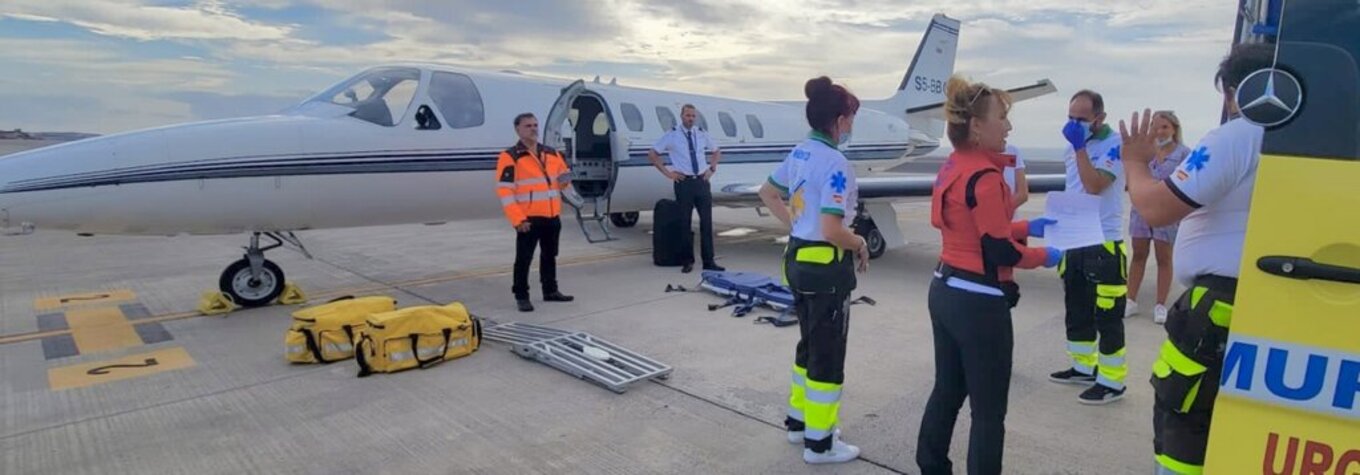
Have you ever wondered how a critically ill patient is safely transported across borders? On this International Workers’ Day, we want to take a moment to shine a light on one of the most complex and crucial services in global healthcare: medical repatriation by air ambulance.
At Aeromedical and Marine, we specialize in organizing and executing international medical transfers for patients who require urgent or continuous care. These missions involve meticulous planning, specialized aircraft equipped as flying intensive care units, and highly trained medical personnel — all working in perfect coordination to ensure the safety and well-being of the patient.
From bedside pickup in the origin country to seamless coordination with hospitals and medical teams at the destination, each repatriation mission is tailored to the patient’s condition and needs. It’s a powerful example of what happens when medicine, aviation, and logistics come together.
Today, as we celebrate workers around the world, we especially recognize the dedication of our medical crews, flight teams, and coordinators who make these life-saving missions possible.
Enjoy this short video document made by our fantastic colleague Dr. Alexia Hartman about a repatriation process! (in Spanish)
Happy International Workers’ Day!
#MedicalRepatriation #AirAmbulance #EmergencyMedicine #GlobalHealth
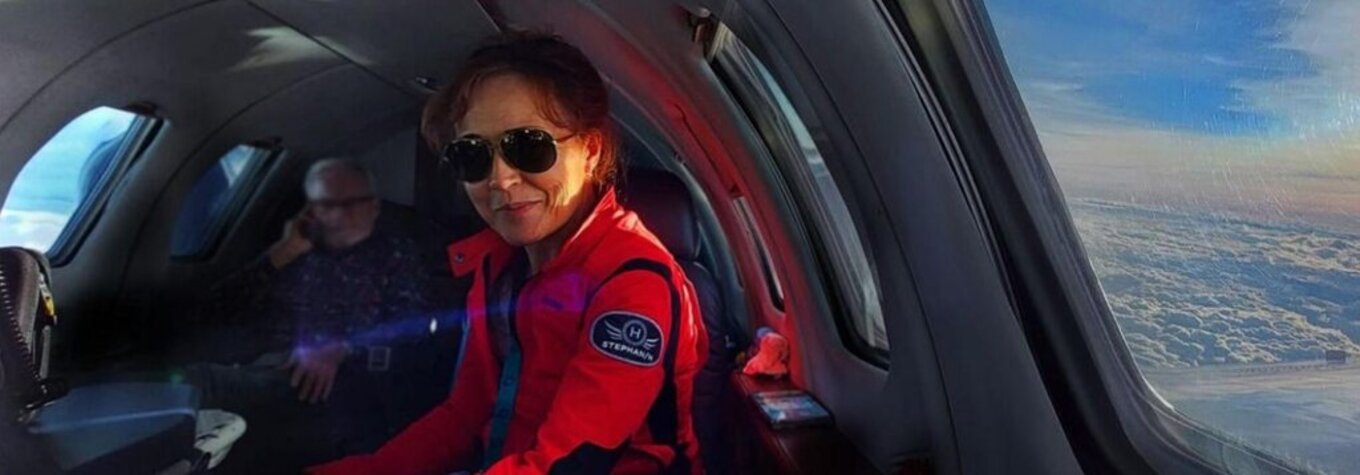
Medicina a 10.000 metres d’altura: la vocació de Mònica Fortea
The Trauma Surgeon Balancing Work at the General Hospital with Leading a Pioneering International Air Medical Transport Company
A Colombian young man, about 20 years old, fell into a coma after suffering a cerebral infarction due to hemorrhage while studying aerospace engineering in the Czech Republic a few months ago. The student insurance he had contracted stopped covering his hospital expenses, and his chances of survival were very low.
In this context, Dr. Mònica Fortea, a trauma surgeon from Sant Cugat and founder of a leading air medical transport company in Spain, stepped in. The embassies of both countries contacted Fortea to coordinate the young man’s repatriation. Thanks to a complex journey involving both ambulance and air transport, he was able to return to Colombia.
This is just one example of the missions carried out by Aeromedical and Marine Training and Rescue International, a company born from the passion of a Sant Cugat doctor that completes around 200 missions worldwide each year.
A Project Born from Experience
Fortea is an orthopedic trauma surgeon who currently works at the Hospital General de Catalunya, heading the international department. Her experience beyond the hospital began two decades ago when she treated sailors from around the world in Spain and then arranged their return to their home countries.
“I started asking myself questions and realized that airborne medicine needed to exist with a different set of characteristics,” she explains. Motivated by this concern, she pursued further training—first as a HEMS (Helicopter Emergency Medical Service) instructor, then in the aeromedical transport of patients via commercial and air ambulance flights.
Having worked for both national and international companies, assisting private patients and insurance providers, Fortea eventually decided to establish Aeromedical and Marine Training and Rescue International four years ago.
“It’s a 24/7 job, every day, every night. It requires deep commitment and a strong medical mindset because we always have to be there,” she emphasizes.
A Service That Spans the Globe
So, what exactly does the company do? From its headquarters in Sant Cugat, the team coordinates emergency air transfers, medical transports on commercial flights, and private medical escort services.
“We handle everything: finding flights, arranging the right type of escort, booking taxis and hotels… We oversee the entire process, from the moment the medical escort (a nurse, doctor, or both) departs to reach the patient, assess their condition, determine if they are fit to fly, and accompany them until they arrive safely at their destination.”
Major insurance providers from Europe and North America rely on their services to ensure that patients in complex medical situations can return home safely. Recently, the company expanded its operations by establishing bases in Miami and Dubai, enabling faster response times to global emergencies.
Fortea highlights that the key to the company’s success lies in meticulous preparation and adaptability. “Without dedication, this would be impossible,” she states, emphasizing the commitment of her colleagues.
The company has a core team of about 15 people who regularly fly and manage operations. “Additionally, we have up to 50 professionals in our reserve pool—highly skilled aeromedical experts who work on a case-by-case basis,” she explains.
Flexibility is crucial: “We are professionals with a degree of flexibility. Without it, balancing this job with the rest of our professional and personal lives would be impossible.”
A Passion-Driven Career
Many of these professionals combine this work with their stable jobs. “I work onsite at the hospital until noon, then continue remotely from the office,” says Fortea. Passion is essential: “It’s in our blood.”
Despite her demanding hospital duties and running a business, she still actively participates in missions, admitting that flying remains her greatest passion.
Aiming for Long-Term Success
“This is a lifelong project. I want it to last forever and become Spain’s leading air medical transport company, setting an international benchmark,” Fortea asserts.
She also underscores the strong presence of women in the company. “This is a company with a lot of women, both Catalan and Spanish. It’s not always easy to gain international recognition, but we’re making it happen.”
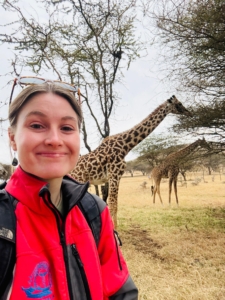
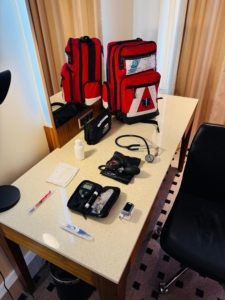
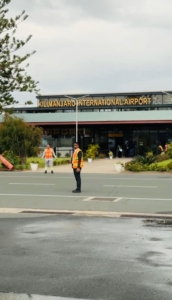
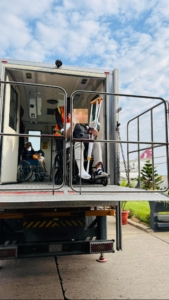
At Aero Medical & Marine Training and Rescue International, we handle diverse and complex missions across the globe, each one with its unique challenges and moments of deep human connection.
One recent mission took us to Kilimanjaro, Tanzania, where a patient sustained serious injuries after a fall during a safari expedition. Thanks to the incredible expertise and dedication of Alexia Hartmann Fernández, who traveled from Spain to personally lead the repatriation, the patient and her family were safely transported to Denmark.
From remote terrain and cross-border coordination to detailed medical planning, this mission was a testament to the resilience of our team and the strength of collaboration. Every procedure, every detail, every mile handled with care, precision, and compassion.
This is just one of many stories that remind us why we do what we do.