
A Year Later: A Remarkable Recovery
We are thrilled to share an uplifting update on the young patient we repatriated from Zilina, Slovakia, to Bogota, Colombia, in January 2024. According to his family, after a year of dedicated rehabilitation and care, the 20-year-old has made significant strides in his recovery.
You can read the original article here
The patient, who faced immense challenges following his initial condition, is now in much better health and spirits. His family reports that he has regained considerable strength and functionality, and his determination to improve has been truly inspiring. With ongoing therapy and support, he has been able to rebuild aspects of his life, and he now looks toward the future with hope and excitement.
We are deeply touched by the heartfelt gratitude expressed by his family. Their kind words reaffirm the importance of the work we do. Knowing that our efforts helped bring him home and contributed to his recovery fills us with immense pride and joy.
This story is a testament to the resilience of the human spirit, the unwavering love of a family, and the collective dedication of all those involved in his transfer and care. It is an honour to have been part of his journey.
How was the repatriation now a year ago? We remind you here:
Home at Last!
On January 28-29, 2024, Aeromedical and Marine successfully transferred a 20-year-old Colombian patient from Zilina, Slovakia, to Bogota, Colombia. The patient, a university student with no prior medical history, suffered a spontaneous intraparenchymal hematoma (HIPE) in October, requiring neurosurgical intervention. Prolonged care in a neurocritical unit left him with quadriparesis and mixed aphasia.
Preparation for the Transfer
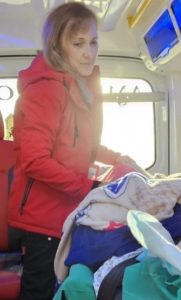
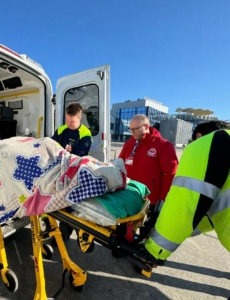
The process began in early January when the patient’s mother sought assistance. The Aeromedical and Marine team undertook a detailed planning process that included gathering medical reports, designing the safest and most efficient route, and securing logistics with airlines and governments. Air France was selected for its capability to accommodate stretcher-bound patients, and ground ambulances in Slovakia, Austria, and Colombia facilitated transport to and from airports.
The Transfer
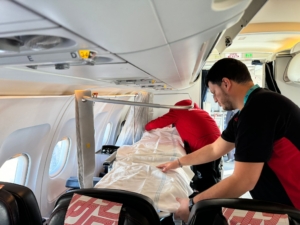
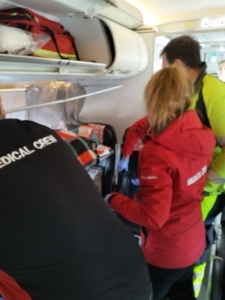
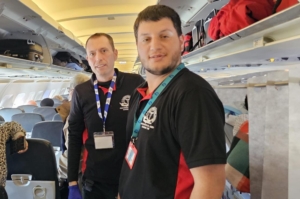
The patient travelled on a commercial flight in a specially equipped medical section, assisted by a team of intensive care specialists. The journey involved meticulous preparation, including sedation to manage the patient’s neurological symptoms, and was monitored in real-time by Aeromedical and Marine’s ground team. Despite minor challenges, such as reconfiguring the final disembarkation in Bogota, the patient was safely delivered to a local hospital, accompanied by his family.
A Successful Repatriation
After 26 hours of travel, the patient arrived home, completing a complex yet smoothly executed mission. This effort underscores the dedication of Aeromedical and Marine in providing compassionate, safe, and efficient medical transfers.
A Year Later: A Remarkable Recovery
We celebrate his recovery and wish him continued success and happiness as he moves forward. This story reminds us why we do what we do, and we couldn’t be happier to see such a positive outcome.
A New Challenge Successfully Solved: ASWAN-GRANADA
The transfer was requested by one of our clients. It involved a man who had suffered an accident during his holiday, resulting in a vertebral fracture and a fractured finger.
He was hospitalized in a private hospital in Aswan.
The challenge was that the patient had limited mobility due to the vertebral fracture, requiring him to remain lying down as much as possible, although he was able to move and walk for hygienic purposes.
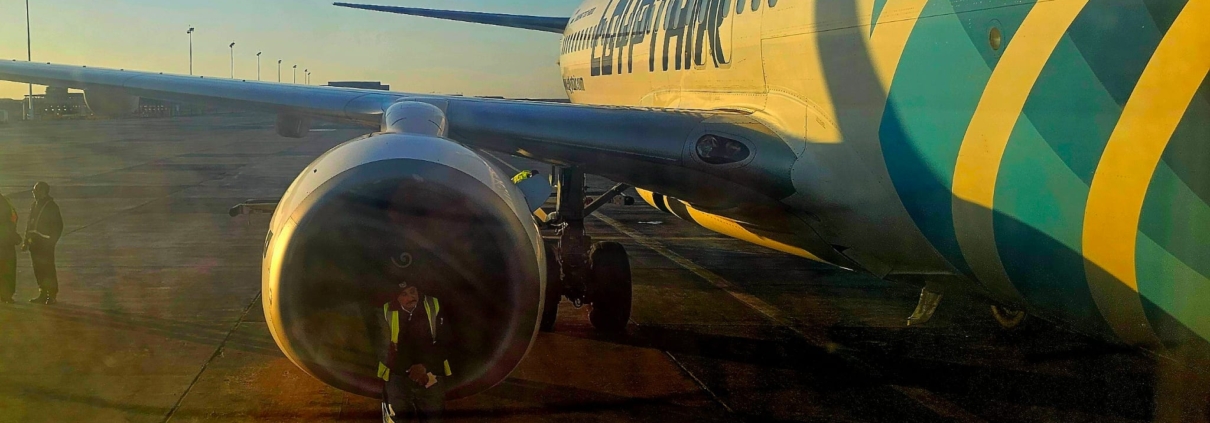
Another difficulty was his home city, Granada, which has no direct flights to Egypt. A combined air and ground transfer route was proposed: Aswan-Cairo-Madrid by commercial flight, followed by Madrid-Granada by ground ambulance.
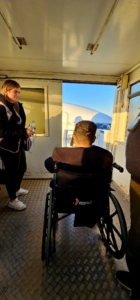
I contacted the patient in the early morning hours; he was accompanied by his wife. After consulting with the hospital’s medical team and conducting my own assessment, the FIT-to-Fly was approved. The patient was able to travel in Business Class with his seat adjusted to its most horizontal position.
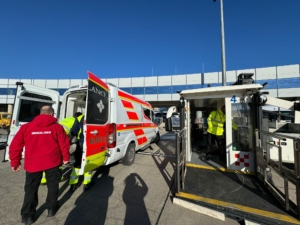
The repatriation began with a transfer to Aswan Airport by ambulance, and we completed the boarding process using the airport’s liftcarbox. I ensured the patient was comfortably seated, maximizing the seat’s recline and using the footrest to allow him to lie as flat as possible. We then embarked on the first flight, Aswan to Cairo.
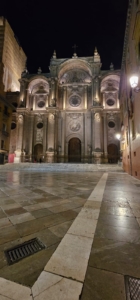
At Cairo Airport, with the assistance of the passenger support service, we transferred to the next plane and began the flight to Madrid.
Throughout the flights, the patient was closely monitored. I ensured his vital signs were stable, watched for any signs of neurospinal issues, and maintained his prescribed medication regimen.

Once in Madrid, and with the help of the passenger support team, the patient was transferred to the stretcher in the ambulance for the final leg of the journey to his home in Granada by road. During this segment, he remained lying down on a vacuum mattress secured to the ambulance stretcher.
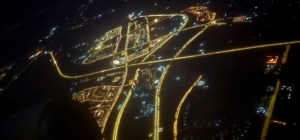
Finally, we arrived at the patient’s home without any incidents. He expressed his gratitude for being brought back home so quickly.
From the time the mission was planned to the moment the patient arrived home, less than 72 hours had passed.
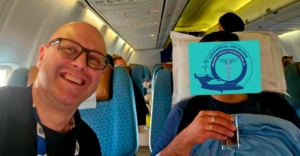

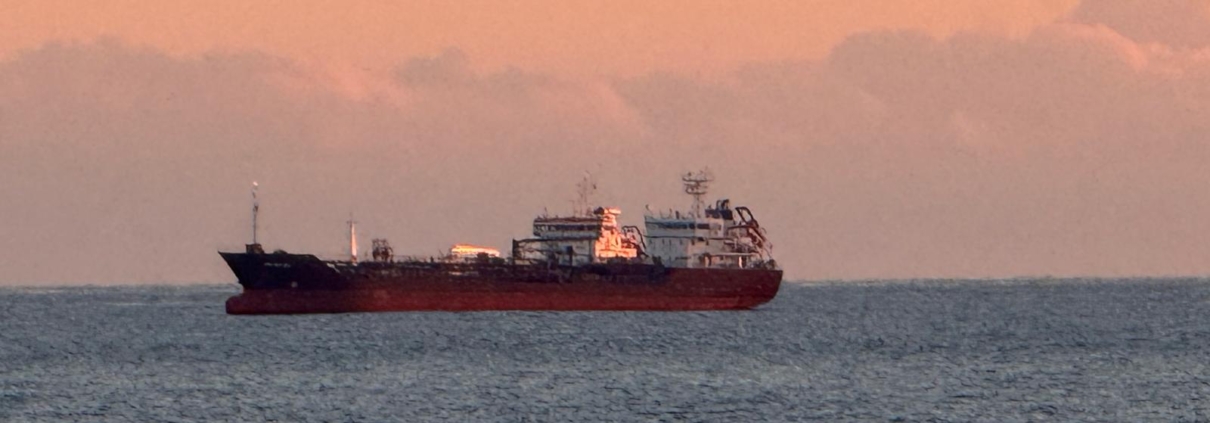
“High-Seas Examination Successfully Completed”
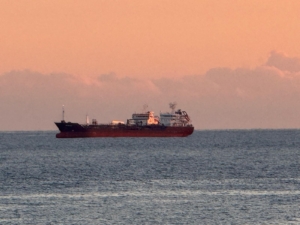
Aeromedical and Marine TRI recently undertook a delicate mission at sea, demonstrating its commitment to providing comprehensive care in complex situations. The mission involved the assessment of two stowaways who had clandestinely boarded a vessel during its journey across the Atlantic.
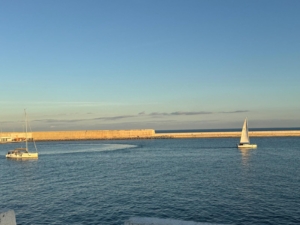
Upon the ship’s arrival at the coast, the Aeromedical and Marine team worked in close collaboration with the National Police, Port Authority, and Immigration Services to evaluate the individuals. A thorough examination was conducted to assess their physical and mental health, ensuring their well-being after the long voyage.
Fortunately, both stowaways were found to be in good physical and mental condition. Following standard protocols and in coordination with the authorities, arrangements were made for their safe return to their country of origin aboard the same vessel.
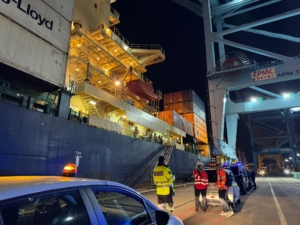
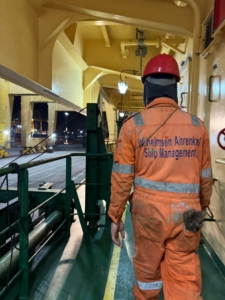
This mission reflects the professionalism and sensitivity required to handle situations involving vulnerable individuals, balancing humanitarian care with operational efficiency. Aeromedical and Marine TRI remains steadfast in its dedication to providing specialized medical services in challenging environments.
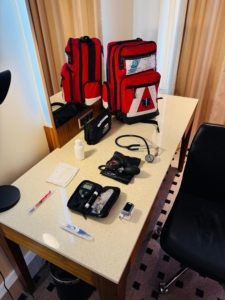
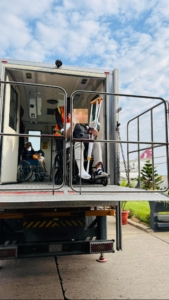
At Aero Medical & Marine Training and Rescue International, we handle diverse and complex missions across the globe, each one with its unique challenges and moments of deep human connection.
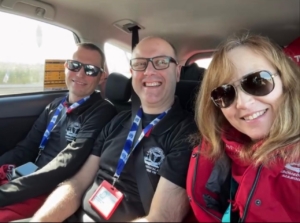
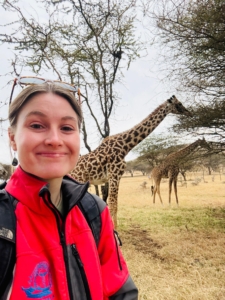
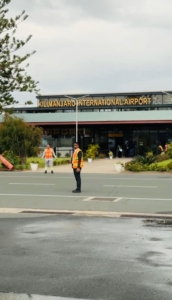
One recent mission took us to Kilimanjaro, Tanzania, where a patient sustained serious injuries after a fall during a safari expedition. Thanks to the incredible expertise and dedication of Alexia Hartmann Fernández, who traveled from Spain to personally lead the repatriation, the patient and her family were safely transported to Denmark.
From remote terrain and cross-border coordination to detailed medical planning, this mission was a testament to the resilience of our team and the strength of collaboration. Every procedure, every detail, every mile handled with care, precision, and compassion.
This is just one of many stories that remind us why we do what we do.